-279x130.png)
Florida Sea Grant - Marine Science
Florida Sea Grant is a university-based program that supports research, education and extension to conserve coastal resources for residents and visitors and enhance economic opportunities for the people of Florida. Florida Sea Grant at UF/IFAS Extension Volusia and Flagler Counties provides community education programs and environmental literacy materials focused on healthy oceans and coasts. The program works closely with environmental groups, 4-H and other youth programs, marine researchers, local governments, and interested citizens. Carolyn Kovacs is the UF/IFAS Extension agent for Sea Grant in Flagler and Volusia Counties and provides educational programming such as Florida Master Naturalist Courses, 4-H youth marine science camps, and citizen science opportunities.
Programs
-
Florida Master Naturalist Program
 Florida Master Naturalist Program
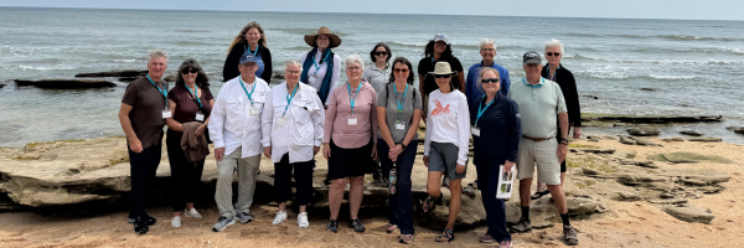
The Florida Master Naturalist Program (FMNP) is an adult education program developed by the University of Florida and provided by participating organizations, including UF/IFAS Extension. FMNP training will benefit anyone interested in learning more about Florida’s environment, seeking educational contact hours, or wishing to increase their knowledge for use in education programs as volunteers, employees, ecotourism guides, and others.
We offer the Coastal Systems core course each spring and alternate on teaching special topics courses including Marine Habitat Restoration or Coastal Shoreline Restoration in the summer. Find more information about the program and current courses on the Florida Master Naturalist Program website.
-
Living Shorelines
 Living Shorelines
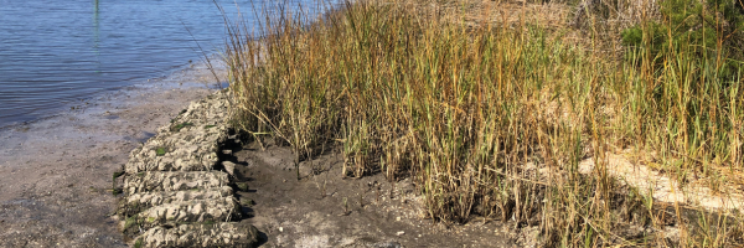
What is a living shoreline? A living shoreline is a shoreline management practice utilizes natural components such as marsh grasses and mangroves along with hard-structure breakfasters like gabions of oysters or rocks to provides erosion control and restores or enhances natural shoreline habitat. You can read more about living shorelines in this blog or visit the Florida Living Shorelines website.
Florida Sea Grant offers a Florida's Living Shorelines Training Program for Marine Contractors. This program was developed to increase the number of professionals (marine contractors, environmental consultants, landscape designers and installers, land planners and managers) who can assess dynamic eroding shorelines and provide solutions featuring nature-based features, where feasible, to make living shorelines a more accessible option to the public for shoreline stabilization. Visit the program website for upcoming course dates or reach out via email for more information.
-
Eyes on Seagrass Blitz in the Indian River Lagoon
-750x250.png) Eyes on Seagrass
Eyes on SeagrassEyes on Seagrass is a participatory science program that monitors the health and status of Florida’s seagrass population. The Eyes on Seagrass Blitz is a month-long effort to collect data on the presence and absence of seagrass in the Indian River Lagoon. These data will allow us to better understand the current range of seagrass in the Indian River Lagoon and help inform future monitoring and restoration work.
The Eyes on Seagrass Blitz typically runs throughout the month of May and relies on residents to report seagrass using an online form. Do you spend time out on the Indian River Lagoon? Whether you are a fisher spending time on your boat or a kayaker who enjoys paddling the lagoon, you can contribute if you are out on the water! Find more information and resources at the Eyes on Seagrass Blitz website.
You can where seagrass has been reported in our previous Blitzes on this interactive map.
-
Coastal Dunes
 Coastal dunes
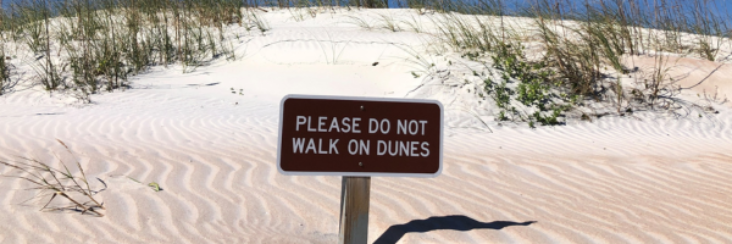
Our coastal dunes are important as they protect our land and buildings from wave energy, erosion, and flooding. They also protect inland habitats and buildings from salt spray and are an important habitat for many plants and animals. Plants are a key component to coastal sand dunes. The leaves of dune plants capture wind-blown sand, helping the dunes grow taller. The deep roots of dune plants then act as a network to hold the sand in place, stabilizing our sand dunes. Learn more about our coastal dunes and the plants that make up our sand dunes in this blog post.
A citizen science program is currently in place for dune monitoring at recently restored sites in Flagler County. Reach out if you would like to be kept up to date on upcoming training opportunities in Flagler County or as opportunities arise in Volusia County.
-
4-H Youth Development Marine Science Camps
 4-H Youth Development
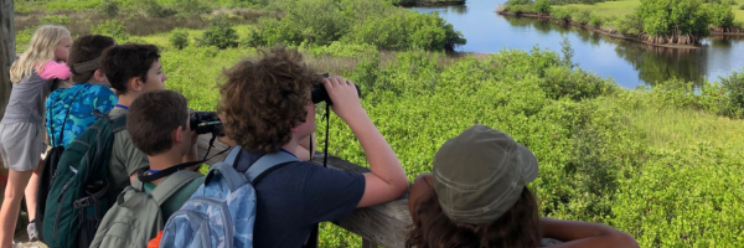
We partner with the 4-H Youth Development program to provide educational opportunities for youth. This primarily takes place through marine science or eco-explorers summer camps. Camps vary in length, age range, and dates each summer. Please reach out to our 4-H Extension Agent to be kept up to date on 4-H opportunities.
Chelsea Woodard, Volusia County 4-H agent: 4-H Youth Development Volusia County 386-822-5778
Hope Musgrove, Flagler County 4-H agent: 4-H Youth Development Flagler County 386-437-7464
-
Blogs
 Blogs
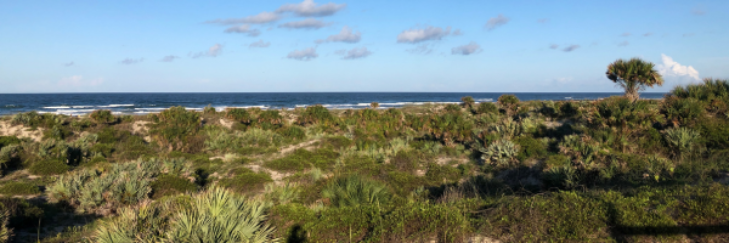
BlogsFind information on a variety of topics through our educational blogs.
CONTACT
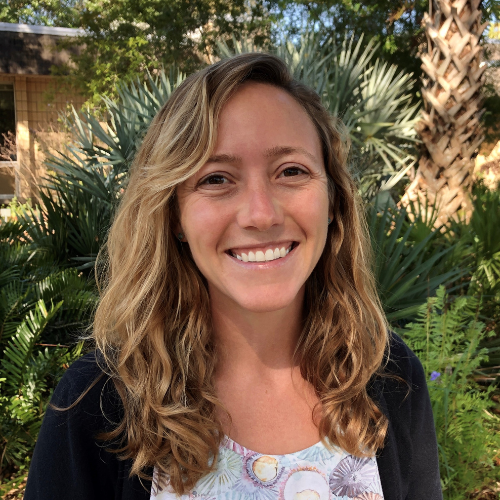
Carolyn Kovacs Florida Sea Grant Agent Extension Agent I c.kovacs@ufl.edu
UF/IFAS Extension Flagler and Volusia Counties 3100 E New York Avenue DeLand, FL 32724
(386)822-5778 Volusia County (386)437-7464 Flagler County
Monday - Friday