Florida Sea Grant – Monroe County
The Florida Sea Grant program helps protect Florida’s coasts and oceans. It also supports jobs and businesses that depend on the water.
The program focuses on:
-
Research
-
Education
-
Community programs
You can find helpful information about:
-
Water quality
-
Habitat restoration
-
Marine life
-
Fishing rules
Visit the Florida Sea Grant website to learn more.
Florida Keys Water Watch
Florida Keys Water Watch is a volunteer program. It trains people to test and track water quality.
Volunteers help collect important data about local waters.
To learn more or join, contact:
Shelly Krueger
📞 305-292-4501
📧 shellykrueger@ufl.edu
You can also explore the Water Watch database.
Community Sponge Restoration
This program helps restore sponges in local waters. Sponges are important for clean and healthy oceans.
The program works with the Florida Fish and Wildlife Conservation Commission (FWC).
Volunteers can join events to help replace sponges lost from die-offs. Learn more about sponges and how to help.
Florida Master Naturalist Program
The Florida Master Naturalist Program is a class for adults. It teaches people about Florida’s environment.
This program is great for anyone who wants to learn more about nature and wildlife.
Look for courses available in your area.
Florida Friendly Fishing Guide Certification
This program recognizes fishing guides who protect Florida’s waters.
It is run by UF/IFAS, Florida Sea Grant, and the Florida Fish and Wildlife Conservation Commission (FWC).
Certified guides use safe and sustainable fishing practices.
If you want to become certified, check the program website or blog for details.
Citizen Science
Citizen Science lets everyday people help with real science projects. You do not need to be a scientist to help collect useful data.
For World Ocean Day, this program worked with Florida Microplastic Awareness Project to study tiny plastic pieces in the ocean.
These tiny plastics, called microplastics, do not break down. Marine animals can accidentally eat them.
Volunteers help by:
-
Collecting water samples
-
Filtering the water
-
Looking for microplastics
You can visit their page to learn how to volunteer.
You can also follow the project on Facebook for updates and training opportunities.
👉 Take the pledge to reduce plastic pollution and help protect our oceans.
CONTACT
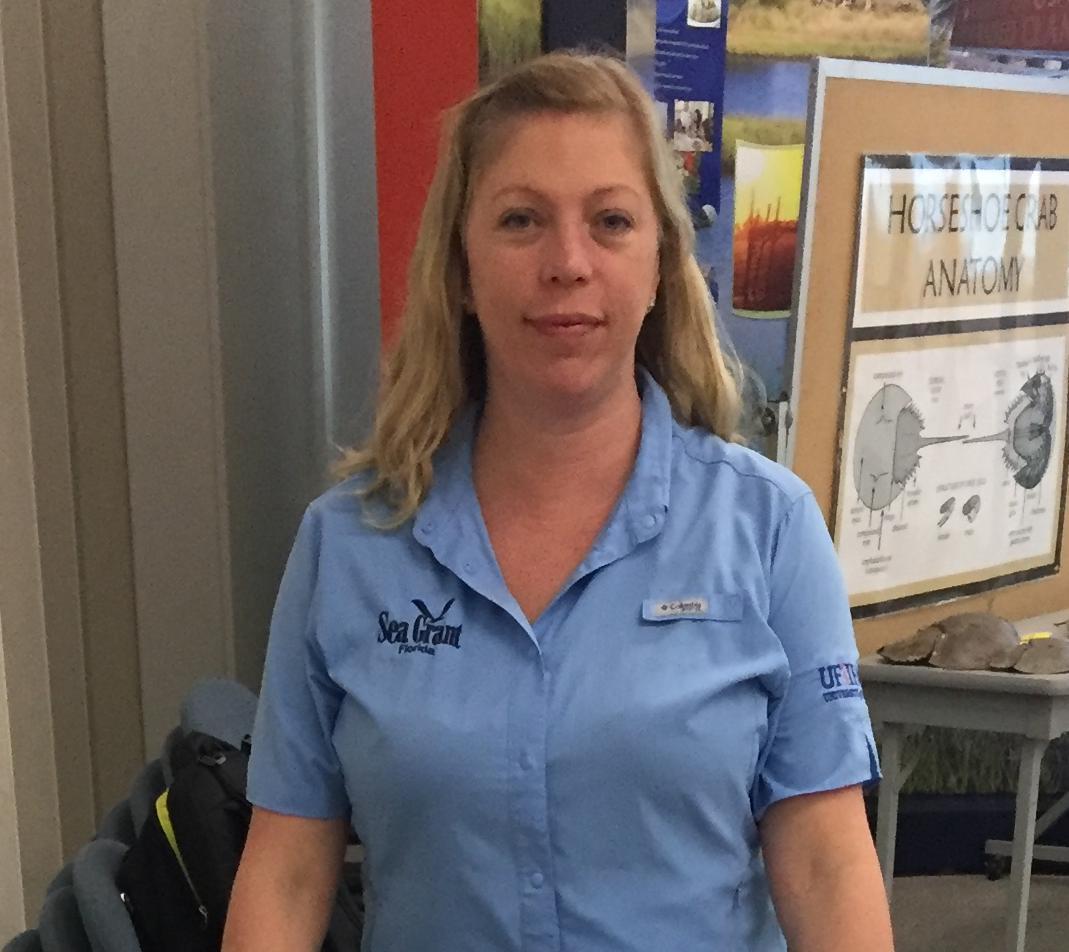
Shelly Krueger Florida Sea Grant Agent 305-292-4502 shellykrueger@ufl.edu
Address 1100 Simonton Street, # 2-260 Key West, FL 33040
Hours Monday - Friday 8:00am – 5:00pm