Ornamental Production
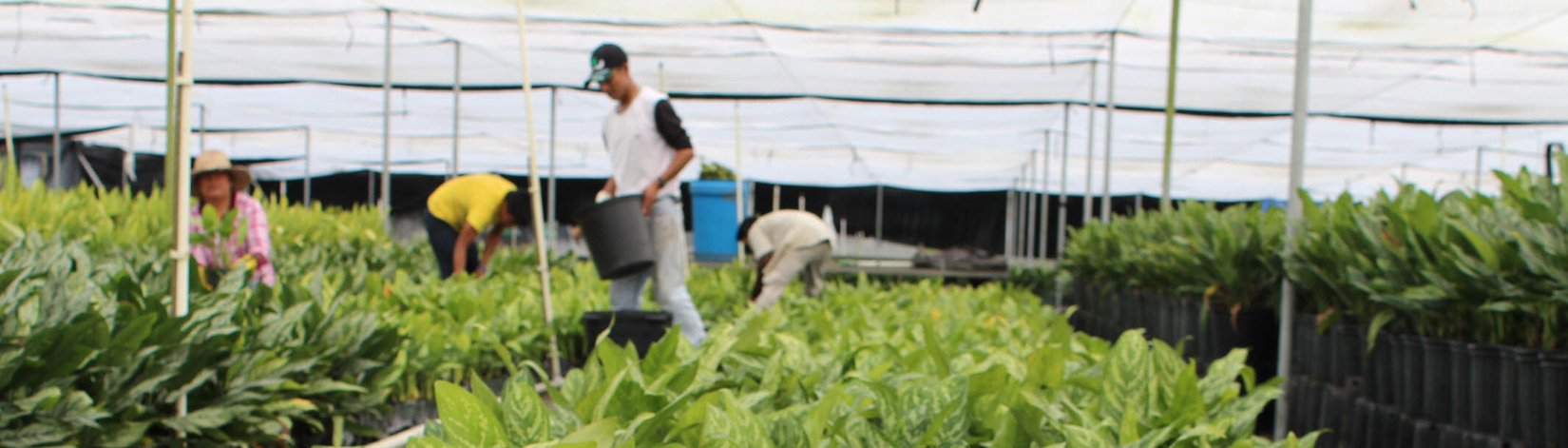
Agriculture productions in Miami-Dade County, including the nursery industry, are concentrated in the Homestead area. The nursery industry in Miami-Dade County is large and diverse, with more than 2,400 nurseries registered with FDACS DPI in 2024. We are the #1 county both in Florida and in the country for ornamental productions. Total sales were $946 million in 2022, which is up by more than $200 million compared to that of 2017, according to USDA statistics. Ornamental crop production uses 35% of the agricultural land but contributes more than 80% of the agriculture sales in the county, according to the most recent study by the University of Florida.
Ornamental crops include bedding plants, tropical foliage plants, potted flower plants, field and container-grown woody plants. Interest in producing foliar plants increased from 2017 to 2022, with the number of farms and the total sales growing by 27.3% (128 to 163) and 158% ($72 million to $186 million). Though total sales increased for potted flower plants, the number of farms decreased by 17% (134 to 111).
Most of the ornamental plants are grown in shade houses or open fields in our area. Such production practices not only reduce production costs but also create beautiful scenic views during the springtime. The scenic nurseries combined with the specialty tropical fruit could be potential attractions and forces for the development of the local Agri-tourism industry.
Specialists and horticulture agents of the University of Florida have provided continuous technical support to the growth of agriculture productions in Miami-Dade County. We are here to help with any challenges the growers may have in their productions. Working together, may ornamental crop production in our area be profitable and sustainable and contribute more to our local communities.
Integrated Pest Management of Ornamental Crops
Ornamental crop production in Miami-Dade County is concentrated in the Homestead area, located at the southeast tip of the State and Country in the subtropical region. With minimal days of near-zero temperatures, there is nearly no limit on the development of insects, pathogens, and weeds once they have established. Due to the aesthetic nature of ornamental products, one of the growers’ priorities is to manage these major pests from the beginning of each crop production. There are many options in pest management using cultural, physical, biological, and chemical approaches. Integrated Pest Management, IPM, is a science-based decision-making process that uses combined strategies to manage pests sustainably.
- Diseases of Ornamental Crops and Their Management.
- Major Pests of Ornamental Crops and Their Management
- Important Weeds of Ornamental Crops and their Management
- My Blogs on IPM for ornamental crops.
Ornamental Crop Productions Related Topics
- Growth Media and Nutrient Management
- Irrigation Practices and Water Quality
Upcoming Classes
For direct notification, please send an email to q.liu1@ufl.edu and you will be included in the list for future communications.
Safety at Work
OSHA Updates for Plant Nurseries:
- OSHA: Hazard Communication Guide for Employers
- Examples of Hazard Communication Programs (Ranked #1 hazard in an OSHA inspection)
| Example #1 | Example #2 | Example #3 |
Warnings on Insects and Pests for Growers
Weather and Climate
CONTACT
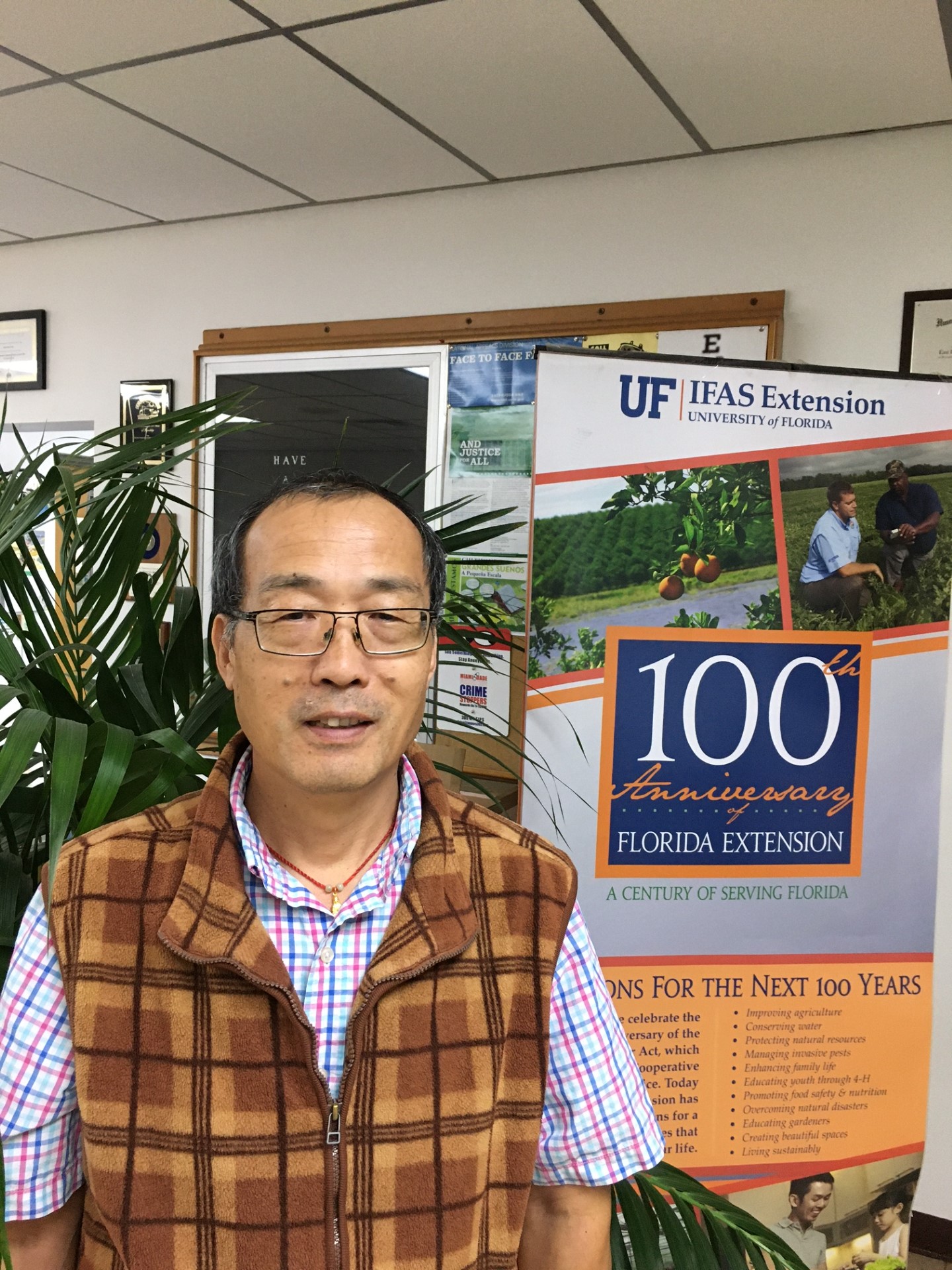
Qingchun Liu, Ph.D Commercial Ag/Ornamentals Extension Agent I 305-679-0241 q.liu1@ufl.edu
Office Address 18710 SW 288 St. Homestead, FL 33030
Fax: (305) 246-2932
Hours Monday - Friday 8:00AM – 5:00PM